British Standard Locks are a mark that many homeowners look for, but plenty of people don’t fully know what the mark covers. A lock with a British Standard stamp has gone through tests that check strength, how long it holds up under force, and how well it copes with common break-in methods. The idea is simple enough: if a lock carries the mark, it has passed tests that make it harder for someone to force their way inside. These locks are used on homes across the UK because most insurers expect them and because they give a level of comfort that cheaper locks don’t offer.
Why insurers often ask for these
Most home insurance firms mention British Standard Locks somewhere in their small print because they reduce the risk of a quick break-in. A door with a poor lock is far easier to force or snap, so insurers like clients to install locks that slow an intruder down. If a house has these approved locks fitted on front and back doors, many insurers feel more comfortable offering proper cover. Some might even refuse to pay out after a burglary if the locks weren’t good enough, so it’s worth checking your cover. A small change such as fitting the right lock can save a lot of hassle later on, and it often doesn’t cost as much as people think.
See also: Reliable Chicago to Dallas Movers – Stress-Free Long-Distance Relocation
How To Tell If Your Lock Meets The Standard
A true British Standard lock has the BSI kitemark on the face of the lock or on the packaging. Most people see it straight away because it looks a bit like a heart shape with a tick inside it. Some locks also display the number BS3621, which is the mark for key-operated locks that secure the door from both sides. If you see BS8621 or BS10621, these also fall within accepted levels but suit slightly different doors. Many older homes still have old style locks that look solid but don’t meet the current levels, so it’s worth checking rather than guessing. If the mark is missing, the lock may not meet the right tests even though it might seem strong on the outside.
Why These Locks Hold Up Better
A British Standard lock resists snapping, drilling, and picking for longer than a cheaper lock. The tests are designed to copy what somebody might attempt during a break-in. The lock, for example, has to resist drilling for a set amount of time without the core giving way. It also needs to stay in place without coming loose when force is used against it from different angles. Internal parts are made from tougher materials and tighter pieces that don’t give way so easily. It doesn’t mean the lock is impossible to break, but it does mean an intruder would have a far harder time, which is often enough by itself to send them away. Police officers often say burglars want quick entry, and anything that slows them even for half a minute may send them elsewhere.
Choosing the Right One for Your Door
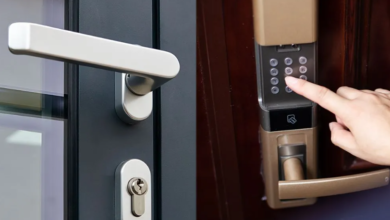
If your current lock doesn’t carry the kitemark, it may be time to fit one that does. Most wooden doors use a BS3621 lock, which has a deadlock and a key on both sides. Modern composite or uPVC doors often use cylinder locks, and you can buy cylinders that meet strict standards too. A qualified Locksmith will be able to swap your lock over with little fuss, and many can do it the same day. Cost matters, of course, but more often than not, the safer option will prove worth it, since one break-in can cause far more expense than the price of a decent lock. Many people say they feel far more at ease once the new lock is fitted, simply because they know it has passed proper tests rather than relying on hope. If you’re a homeowner, or a renter who has permission from your landlord to upgrade your locks, moving to British Standard Locks is one of the quickest ways to lift your security without making major changes.